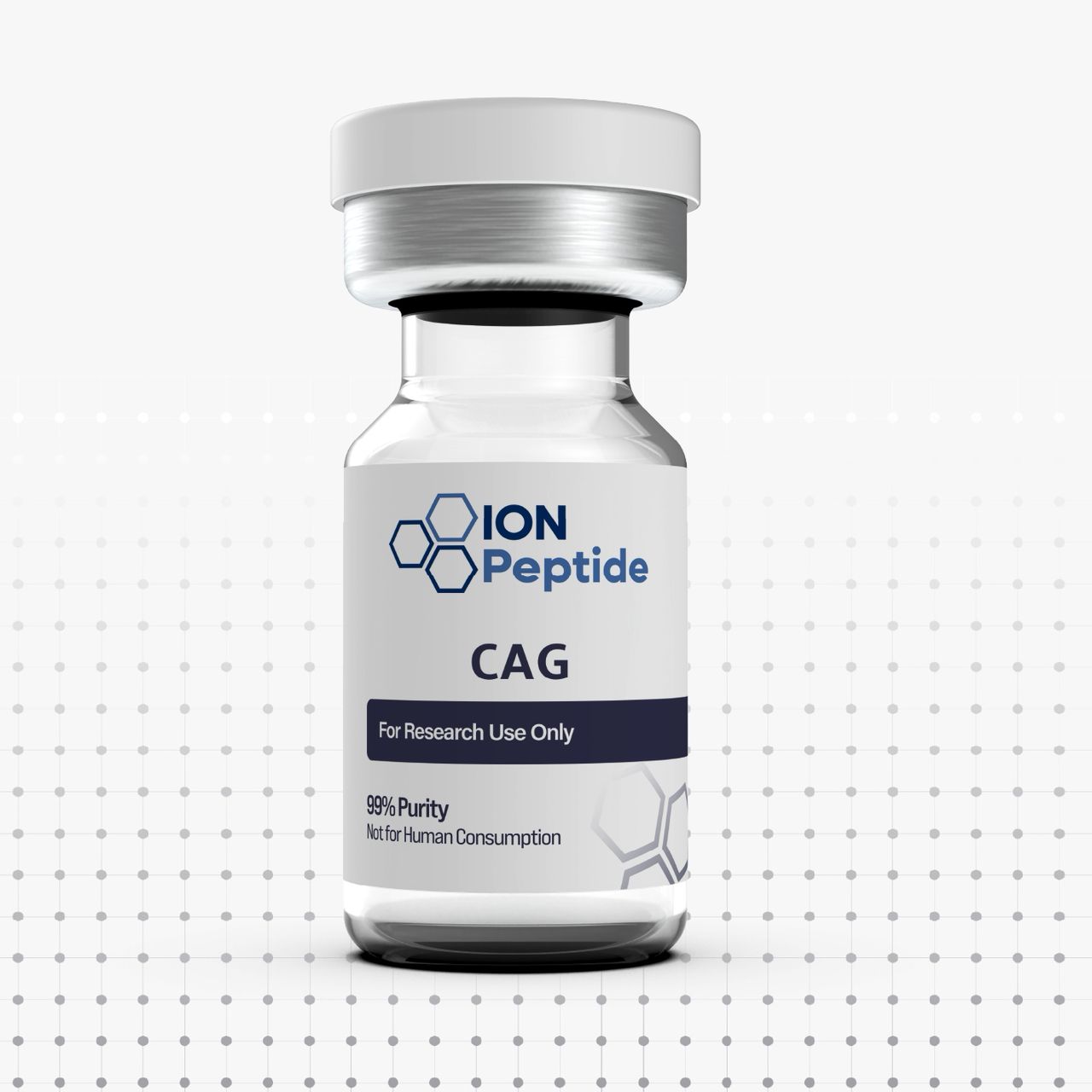
Comprehensive Laboratory Profile: Cagrilintide Research Peptide
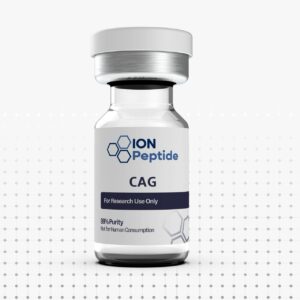
The acquisition of high-fidelity, structurally stable compounds is the fundamental requirement for reproducible scientific discovery. For researchers investigating complex metabolic pathways, receptor agonism, and cellular energetics, the introduction of the Cag 10mg peptide provides a premium, highly purified analog engineered for advanced in-vitro analysis. Synthesized in the USA to the highest industry standards, this compound delivers the precision required by modern institutional and independent laboratories.
Biochemical Structure and Overview
Cagrilintide, frequently documented in scientific literature as an advanced long-acting amylin analog, is structurally designed to mimic the physiological effects of endogenous amylin (islet amyloid polypeptide). Amylin is a naturally occurring peptide hormone co-secreted with insulin from pancreatic beta cells, playing a critical role in nutrient regulation and glycemic control.
The molecular architecture of the Cag 10mg compound incorporates specific structural modifications to enhance its stability and half-life in laboratory environments. These modifications include the attachment of a fatty acid diacid chain via a specialized linker, which significantly delays degradation and extends its pharmacokinetic profile during extensive cellular assays. This precise acylation is what separates advanced analogs from standard, rapidly degrading baseline peptides, making this specific compound highly desirable for prolonged observational studies.
Mechanism of Action in Cellular Assays
In an in-vitro research setting, the primary mechanism of action for this compound involves its high-affinity binding to the amylin receptor complex (AMYR). The amylin receptor is a heterodimer composed of the calcitonin receptor (CTR) and a receptor activity-modifying protein (RAMP). By introducing the Cag 10mg peptide to targeted cellular models, researchers can observe significant intracellular signaling cascades, primarily through the activation of G-proteins and the subsequent elevation of intracellular cyclic AMP (cAMP).
Furthermore, contemporary metabolic research frequently utilizes this compound to study the synergistic effects of dual-receptor activation. Laboratories often pair amylin analogs with GLP-1 (Glucagon-like peptide-1) receptor agonists to investigate comprehensive metabolic regulation, appetite suppression models, and delayed gastric emptying mechanisms at the cellular level. Utilizing a highly pure Cag 10mg sample ensures that these complex receptor interactions are observed without the interference of cleavage byproducts or synthesis impurities.
Primary Research Applications
The versatility and stability of this analog make it a cornerstone compound for a variety of academic and independent studies. Current literature and laboratory investigations primarily utilize this peptide for:
-
Metabolic Syndrome Modeling: Investigating the cellular pathways associated with energy expenditure, lipid metabolism, and glucose homeostasis.
-
Receptor Binding Kinetics: Mapping the precise affinity and dissociation rates of amylin analogs when introduced to specific calcitonin receptor isoforms.
-
Synergistic Peptide Studies: Evaluating the combined efficacy and potential cellular toxicity of co-administering amylin analogs alongside established GLP-1 and GIP agonists.
-
Proteolytic Stability Analysis: Utilizing the Cag 10mg compound as a baseline to test the efficacy of novel enzymatic degradation inhibitors.
Absolute Purity and Analytical Testing
At Ion Peptides, we understand that anomalous data caused by degraded or impure materials can compromise months of dedicated research. Therefore, every batch of our Cag 10mg peptide is subjected to rigorous, uncompromising third-party analytical testing before it is released to our catalog.
We utilize High-Performance Liquid Chromatography (HPLC) to verify that the compound meets a strict purity threshold of greater than 99.0%. This process ensures the complete isolation of the peptide from any residual synthesis solvents or truncated amino acid sequences. Additionally, Mass Spectrometry (MS) is employed to confirm the exact molecular weight and structural integrity of the peptide. By securing your Cag 10mg acquisition through our dedicated USA synthesis network, you guarantee that your facility receives materials that meet the highest echelons of scientific compliance.
Lyophilization, Storage, and Reconstitution Protocols
To ensure maximum molecular stability during transit and storage, this compound is supplied as a lyophilized (freeze-dried) powder. Proper handling protocols must be observed to maintain the integrity of the peptide upon arrival at your facility.
Storage Guidelines: Prior to reconstitution, the lyophilized Cag 10mg vial should be stored in a climate-controlled environment, ideally at or below -20°C (-4°F). When protected from light and moisture, the unmixed compound will remain highly stable for up to 36 months.
Reconstitution Procedures: When your laboratory is ready to initiate testing, the compound must be reconstituted using a sterile solvent. Bacteriostatic water (containing 0.9% benzyl alcohol) is the industry standard for general in-vitro applications, as the preservative prevents bacterial degradation of the peptide bonds.
-
Allow the lyophilized vial to reach room temperature to prevent condensation.
-
Swab the vial stopper with laboratory-grade isopropyl alcohol.
-
Introduce the diluent slowly, directing the flow down the inner wall of the glass vial to prevent sheer stress on the peptide structures.
-
Do not agitate or shake the vial. Allow the Cag 10mg powder to dissolve naturally into a clear, uniform solution through gentle swirling.
-
Once reconstituted, the liquid compound must be refrigerated at 2°C to 8°C (36°F to 46°F) and utilized within 30 days to prevent gradual degradation.
By strictly adhering to these protocols and partnering with a trusted supplier for your Cag 10mg materials, your laboratory ensures the highest probability of extracting accurate, definitive, and groundbreaking analytical data.
Reviews
There are no reviews yet.