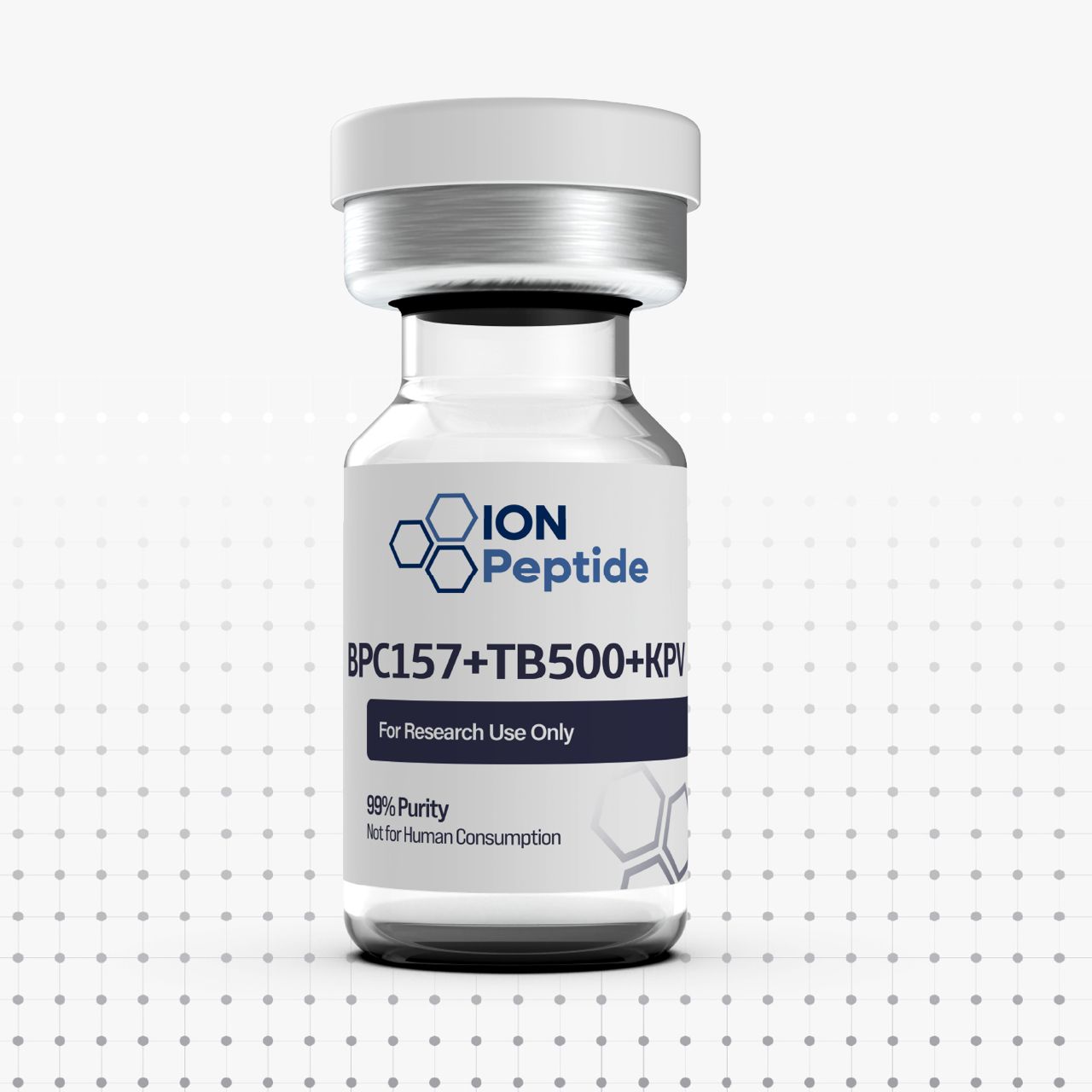
Comprehensive Laboratory Profile: Advanced Tri-Peptide Synergy
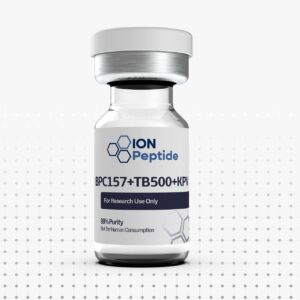
The acquisition of high-fidelity, structurally stable multi-compound formulations provides modern scientific laboratories with the unprecedented capability to study overlapping biological pathways simultaneously. By integrating the BPC-157 TB-500 KPV 30mg blend into your institutional research protocols, you unlock a premium, highly purified triple-analog system engineered for complex in-vitro analysis. Synthesized entirely within the USA to the most rigorous industry standards, this specialized compound delivers the absolute analytical precision required by facilities investigating profound cellular repair, severe inflammatory cascades, and comprehensive tissue remodeling mechanisms.
Biochemical Profile: BPC-157 (Body Protection Compound 157)
The first component of this advanced formulation is BPC-157, a synthetic pentadecapeptide consisting of a 15-amino acid sequence. It is derived directly from a naturally occurring protective protein endemic to mammalian gastric juice. In isolated laboratory environments, BPC-157 is primarily documented and researched for its immense influence on the promotion of angiogenesis—the physiological process responsible for the formation of new blood vessels from pre-existing vascular structures.
When introduced to in-vitro endothelial cell cultures, BPC-157 strongly upregulates the expression of Vascular Endothelial Growth Factor (VEGF). This crucial signaling protein is foundational to both vasculogenesis and sustained angiogenesis. Researchers utilizing the BPC-157 TB-500 KPV 30mg compound often monitor its secondary ability to modulate the nitric oxide generation system, thereby protecting endothelial tissue monolayers from acute oxidative stress. The high-purity isolation of this peptide ensures that these complex vascular interactions can be observed without interference from degraded cleavage byproducts.
Biochemical Profile: TB-500 (Thymosin Beta-4 Fragment)
The second active constituent of this compound is TB-500, an engineered synthetic fraction of the naturally occurring 43-amino acid protein, Thymosin Beta-4 (Tβ4). Ubiquitous across mammalian tissue, Thymosin Beta-4 dictates cellular structural integrity and motility. In a strict laboratory setting, TB-500 is fundamentally utilized to study actin upregulation.
Actin is a vital intracellular protein responsible for forming the microfilaments that allow for cellular movement, division, and structural maintenance. By binding directly to actin molecules, the TB-500 present within the BPC-157 TB-500 KPV 30mg blend prevents the premature polymerization of globular actin (G-actin) into filamentous actin (F-actin). This highly targeted binding mechanism is essential for researchers conducting sophisticated assays focused on rapid cellular migration, accelerated fibroblast proliferation, and the morphological transformations associated with in-vitro wound closure models.
Biochemical Profile: KPV (Lysine-Proline-Valine)
The third and highly specialized element of this matrix is KPV, an ultra-short tripeptide featuring the specific amino acid sequence Lysine-Proline-Valine. KPV is the naturally occurring C-terminal fragment of Alpha-Melanocyte-Stimulating Hormone (α-MSH). In clinical research, KPV is heavily utilized for its profound anti-inflammatory and potent antimicrobial properties, operating without the melanotropic side effects typically associated with full-length α-MSH analogs.
At the cellular level, KPV exhibits its primary mechanism of action by directly infiltrating the cell membrane and interacting with intracellular signaling pathways. It is specifically observed downregulating the expression of pro-inflammatory cytokines by inhibiting NF-κB activation within the nucleus. The inclusion of KPV in the BPC-157 TB-500 KPV 30mg formulation allows researchers to induce a deeply stabilized, low-inflammation cellular environment, which is highly conducive to studying optimal mucosal tissue healing, gastrointestinal tract modeling, and pathogenic resistance assays.
Synergistic Mechanisms in Cellular Assays
While each individual peptide possesses distinctly powerful independent mechanisms, contemporary metabolic and tissue remodeling studies frequently pair them to document their amplified, overlapping synergistic effects. The BPC-157 TB-500 KPV 30mg compound provides an exact 1:1:1 geometric ratio (10mg of each analog), empowering researchers to deploy a comprehensive triple-pathway approach to cellular matrix repair.
During these advanced in-vitro studies, the TB-500 initiates rapid cellular motility, deploying fibroblasts to the site of cellular damage. Simultaneously, the BPC-157 upregulates the necessary VEGF growth factors to establish the micro-vascular networks required to sustain this rapid new cellular growth. Crucially, the KPV acts as the environmental stabilizer, aggressively halting the inflammatory cascades that typically impede cellular regeneration. Procuring a highly pure BPC-157 TB-500 KPV 30mg sample guarantees that these complex, multi-variable receptor interactions can be documented and reproduced with absolute scientific clarity.
Primary In-Vitro Research Applications
The unprecedented versatility, stability, and complementary nature of these three analogs make this specific formulation a cornerstone for academic and independent studies. Current literature utilizes the BPC-157 TB-500 KPV 30mg blend primarily for:
-
Comprehensive Tissue Remodeling: Investigating the simultaneous pathways of new blood vessel formation paired with rapid cellular migration.
-
Inflammatory Cascade Suppression: Mapping the precise intracellular kinetics of NF-κB inhibition during simulated traumatic cellular events.
-
Mucosal & Endothelial Protection Assays: Evaluating the combined efficacy of this tri-blend in protecting sensitive cellular monolayers from hypoxic conditions or induced oxidative stress.
-
Accelerated Fibroblast Proliferation: Utilizing the BPC-157 TB-500 KPV 30mg compound to establish baseline data for the rapid generation of extracellular matrix components under highly controlled, zero-inflammation conditions.
Absolute Purity and Quality Assurance
At Ion Peptides, we strictly recognize that anomalous data caused by degraded, under-dosed, or impure materials will critically compromise months of dedicated research and institutional funding. Therefore, every single batch of our BPC-157 TB-500 KPV 30mg blend is subjected to uncompromising third-party analytical testing before being released for laboratory acquisition.
We utilize High-Performance Liquid Chromatography (HPLC) to verify that all three compounds meet a strict individual purity threshold of greater than 99.0%. This absolute precision ensures the complete isolation of the active peptides from residual synthesis solvents. Furthermore, rigorous Mass Spectrometry (MS) is employed to verify the precise molecular weight and structural integrity of all three components residing within the vial. By securing your BPC-157 TB-500 KPV 30mg supply through our secure USA synthesis network, you guarantee your facility receives materials that meet the highest echelons of analytical compliance.
Lyophilization, Storage, and Reconstitution Protocols
To ensure maximum molecular stability of all three peptides during secure domestic transit and long-term storage, the BPC-157 TB-500 KPV 30mg blend is supplied as a lyophilized (freeze-dried) solid powder. Strict handling protocols must be observed to maintain the integrity of this complex compound upon arrival.
Prior to reconstitution, the lyophilized vial must be stored in a climate-controlled, dark environment, ideally at or below -20°C. When properly protected from light and moisture, the unmixed BPC-157 TB-500 KPV 30mg powder will remain highly stable for up to 36 months. When your laboratory is prepared to initiate assay testing, the formulation must be reconstituted using a sterile solvent, such as bacteriostatic water.
Allow the vial to slowly reach ambient room temperature to prevent condensation. Introduce the diluent slowly, directing the fluid flow down the inner wall of the glass to prevent sheer stress on the fragile peptide bonds. Do not agitate or vortex the vial; allow the BPC-157 TB-500 KPV 30mg compound to dissolve naturally into a clear solution via gentle, rotational swirling. Once reconstituted, the liquid compound must be immediately refrigerated at 2°C to 8°C and utilized strictly within 20 to 30 days to prevent the premature degradation of the active sequences.
Reviews
There are no reviews yet.